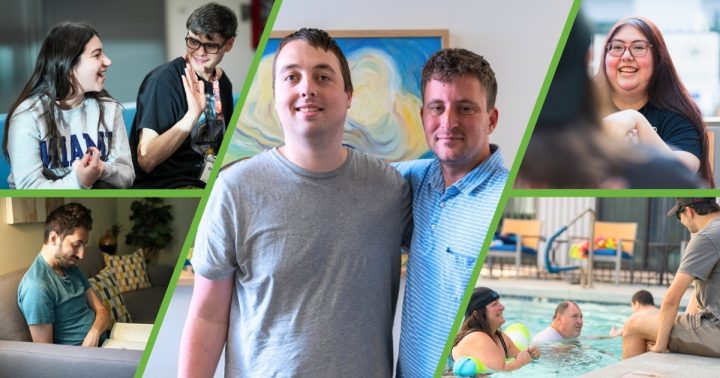
A good plan can’t avoid all crises, but it can make moving through them easier. When families or guardians of adults with autism and/or intellectual/developmental disabilities (I/DD) contemplate the life unfolding in front of their loved one, that plan can feel daunting. What’s spoken? Unspoken? What should be in writing?
While developing a life plan is critical, it’s not something to rush into or through. It takes foresight. Learning. Revisiting. Updating. And a clear understanding among all parties involved.
The list of considerations is extensive: housing, healthcare, the changing scope of finances, legal needs, life skills, social connections, emotional well-being—and everything else that makes life complex and fulfilling. With sound planning, you can put your loved one on a path to greater independence with the support they need.
The plan you develop today can follow your loved one throughout their lifetime—long after you’re no longer here. It can help answer tough questions in advance, maximize years of independence, ensure long-term security, and organize financial and legal needs. It’s a bridge that gets them over many transitions. It will also help you feel better about what’s around the corner—and around the corner after that. You’re eliminating the guesswork for those entrusted to care for your loved one.
Independence looks different for everyone. The skills required naturally vary from person to person—and sometimes must be refreshed as we age. As you develop your loved one’s plan, think through the skills they will rely on most. Are they proficient or need more work? Are there new skills to explore? Set goals and help your loved one build skills gradually. Let’s consider some fundamentals:
A purposeful life requires more than skills. It’s important to acknowledge what makes your loved one happy—or unhappy. How do they express emotions? How do they cope with others’ emotions?
As you work through your checklist, create and engage a reliable support network: e.g., a group of friends and/or relatives who can be there for them when they need the extra emotional, intellectual and physical support. That support should begin as soon as you develop your plan.
One of the most important parts of the plan is determining realistic residential options. What level of independence works best? What’s affordable? What’s a good fit and what’s not?
In a previous blog, we compared independent living with supportive living. Both provide varying levels of autonomy. Full independence means living in one’s own residence—alone or with roommates. Supportive living offers adults a place they can call their own but with amenities, programs and services that provide varying levels of autonomy.
Additional residential community options can meet the spectrum of needs of adults with autism and/or I/DD. Some examples:
Resources like the Autism Housing Network can also help you locate these and other residential options across the country.
Financial stability is essential to a solid foundation for lifelong independence. It can also be a source of anxiety for parents and guardians. When you’re ready to discuss the details, you’ll want qualified professional financial advice. A chartered special needs consultant (ChSNC) is a financial advisor who focuses on the needs of individuals with disabilities and their government benefits, achieving a better life experience (ABLE) accounts and long-term financial well-being.
Items to discuss include:
What happens when an individual with autism and/or I/DD turns 18? Depending on their guardianship status, the law presumes an 18-year-old is fully responsible for their legal choices. Explore formal or less-restrictive legal structures, depending on your loved one’s ability to manage daily life, healthcare and financial responsibilities. Choose the right level of support with respect for their independence preferences and abilities.
In addition to organizing records, managing medications and establishing wellness routines, your plan needs to include a path to experienced healthcare professionals who will understand your loved one and administer care appropriately. This may require extra time and work, considering the prevailing lack of focus on adults with autism and/or I/DD in healthcare education and practice. The goal is to ensure a continuum of care—and prevent the “services cliff” that affects so many individuals after they age out of pediatric care.
Consider the following essential healthcare to-dos:
Social connections have proven to play a critical role in lifelong mental and physical health. As you plan for your loved one’s path into and throughout adulthood, lay the groundwork for opportunities to connect. This can be introductions to clubs, volunteer programs, church or community groups, and a strong network of friends and relatives. Meaningful relationships and activities contribute to overall confidence, pride—and the motivation to stay healthy.
Employment is also an effective pathway to purposeful connections. Employment training can prepare your loved one for finding a job in a positive, neuro-inclusive environment. By discussing job interests, skills and employment goals early, you can help them establish their place in the community while emphasizing that meaningful contribution can take many forms.
Another relationship should be built into your plan. Social connection matters as much for parents and caregivers as for the people they support. Families who have already navigated this journey are among your most valuable resources: they know the questions to ask, the obstacles and the shortcuts. Advocacy organizations, parent networks and professionals who specialize in this field offer the kind of knowledge no checklist can provide. A plan that accounts for your loved one’s well-being but leaves no room for yours cannot be sustained.
One of the best ways to prepare your child for adulthood is to step back and give them room to succeed—and fail. By supporting their decision-making instead of making their decisions for them, you can foster confidence and encourage self-advocacy. Look for opportunities to let them plan safe activities, think through problems and manage unexpected situations. Both of you may be surprised by the outcome!
As previously noted, planning for tomorrow and beyond can be daunting. What parent is not afraid to let go? The uncertainty around housing, finances and long-term care can be overwhelming. It’s like the hall closet stuffed so full that opening it means risking a cascade of emotions and objects compelling us to urgently shut it with all our might! But you have to open it eventually; and while a few things may fall, you can always pick them up and put them back in their rightful place.
One framework designed to help families open that proverbial closet—and make sense of what’s inside—is Golden Agreements. It offers a structured approach to the conversations that build your lifelong team. What does your loved one need? Who is responsible for what? What happens when life doesn’t follow the plan? It brings families, caregivers and support networks into alignment around those critical questions.
The social activities, skills-building programs and built-in neighbors that supportive communities like First Place–Phoenix provide can help bridge the gap between family living and independent adulthood. This type of living environment can also serve to connect residents to the surrounding community, creating a greater sense of belonging.
Are you feeling a sense of urgency? That’s understandable—but try to avoid acting out of haste. Take small, intentional steps with the plan to help you manage emotions, think with clarity and check all the boxes.
Adulthood is coming—if it’s not already here. A sound, intentional life plan, especially when started sooner than later, can help your loved one successfully grow into it—and live the kind of life we all envision for our children.

First Place Global is hosting an informative 90-minute webinar to help you plan for your loved one with autism and/or I/DD. Join us to learn how legal, financial, family and housing plans can combine to help create greater clarity, reduce potential future conflict and support a meaningful life. Register before Tuesday, August 18.
The differences among various residential living options for adults with autism and/or intellectual/developmental disabilities (I/DD) can be confusing. Two models in particular, supportive and independent living, are often compared. While both can help promote autonomy, the right choice depends on your needs, preferences, level of readiness and long-term goals. In this blog, we’ll focus on these two models, exploring key differences and benefits to help you choose what’s right for you.
In its truest definition, independence means living in your own residence—alone or with roommates—with maximum autonomy. It can include friendships, the freedom to plan and cook meals, the possibility of a steady job, the confidence to use public transportation and the responsibility that comes with paying bills. The goal is to increase autonomy as you pursue and experience daily activities, social engagement and employment opportunities.
Supportive living is empowered living, not assisted living. It offers adults with autism and/or I/DD an opportunity to live in a place they can call their own and includes amenities, programs and services that provide varying levels of autonomy. Unlike group homes, this person-centered model prioritizes self-direction, emphasizing a range of life skills that instill confidence. Supports can evolve with the individual, helping them transition to greater levels of independence with time and experience.
Need | Independent Living | Supportive Living |
|---|---|---|
| Level of Support | Low or occasional support needs | Regular, personalized support needs |
| Daily Routines | Mostly self-managed | Managed through reminders, coaching or direct help |
| Best Fit | Adults who can manage many tasks with limited support | Adults who want independence but need more structure |
| Family Role | Occasional support and planning coordination | More active coordination with support providers |
| Safety | Basic safety awareness and emergency planning | More hands-on safety support needs |
| Main Goal | Greater autonomy and self-direction | Independence with structured support |
Enjoying a self-directed life doesn’t mean living day to day without support. Individuals with autism and/or I/DD can see their independence grow with the help of routines and planned activities, assistive scheduling and budgeting technology, supportive services, employment training and family support.
Other common supports include:
Imagine what it would mean to have control over daily routines, planned activities, meals, privacy and personal relationships.
Autonomy gives you an opportunity to think about what’s right for you and speak up when you need help—or need to be heard. Autonomy empowers you to express your needs, ask questions and make personal decisions.
Social engagement and community involvement don’t always come easy for someone with autism and/or I/DD—but here is an opportunity to work on both. You can join social activities, look for work opportunities, explore transportation options and seek out ways to be civically engaged.
Living with personalized supports can help you plan and maintain your daily routines, plan your meals, maintain hygiene, schedule and keep appointments and stay on top of tasks around the home.
The consistency of personalized supports is like having a personal trainer. You have someone to help establish proper techniques, tools and systems—which can reduce stress and build confidence.
Structured support can provide the reassurance of supervision together with self-guidance. That can mean peace of mind for family and friends.
When a support team is actively involved in your daily life, you have a built-in network of friends. Regular interaction helps build your communication skills and confidence and reduces feelings of isolation and loneliness.
If the ultimate goal is greater autonomy, a supportive community environment can help you build the required life skills.
Families and guardians can often work with the individual to recognize what situation will work best. Goals can be identified, strengths and preferences can be discussed and areas for growth should definitely be considered. One option—independence vs supportive living—is not better than the other, so avoid any discussion of labels.
A supportive community like First Place–Phoenix provides a suite of supports, amenities and community life activities that help adults with autism and/or I/DD thrive as they chart their individual paths to more independent living. Employment training plays a key role in the pursuit of greater autonomy—even volunteer opportunities promote the skills to help you establish a life you can call your own.
Location is also important, and the convenient, midtown neighborhood surrounding First Place–Phoenix gives residents easy access to employment opportunities, shopping, recreation, entertainment and public transportation. Living in a connected community offers a higher level of autonomy and engagement.
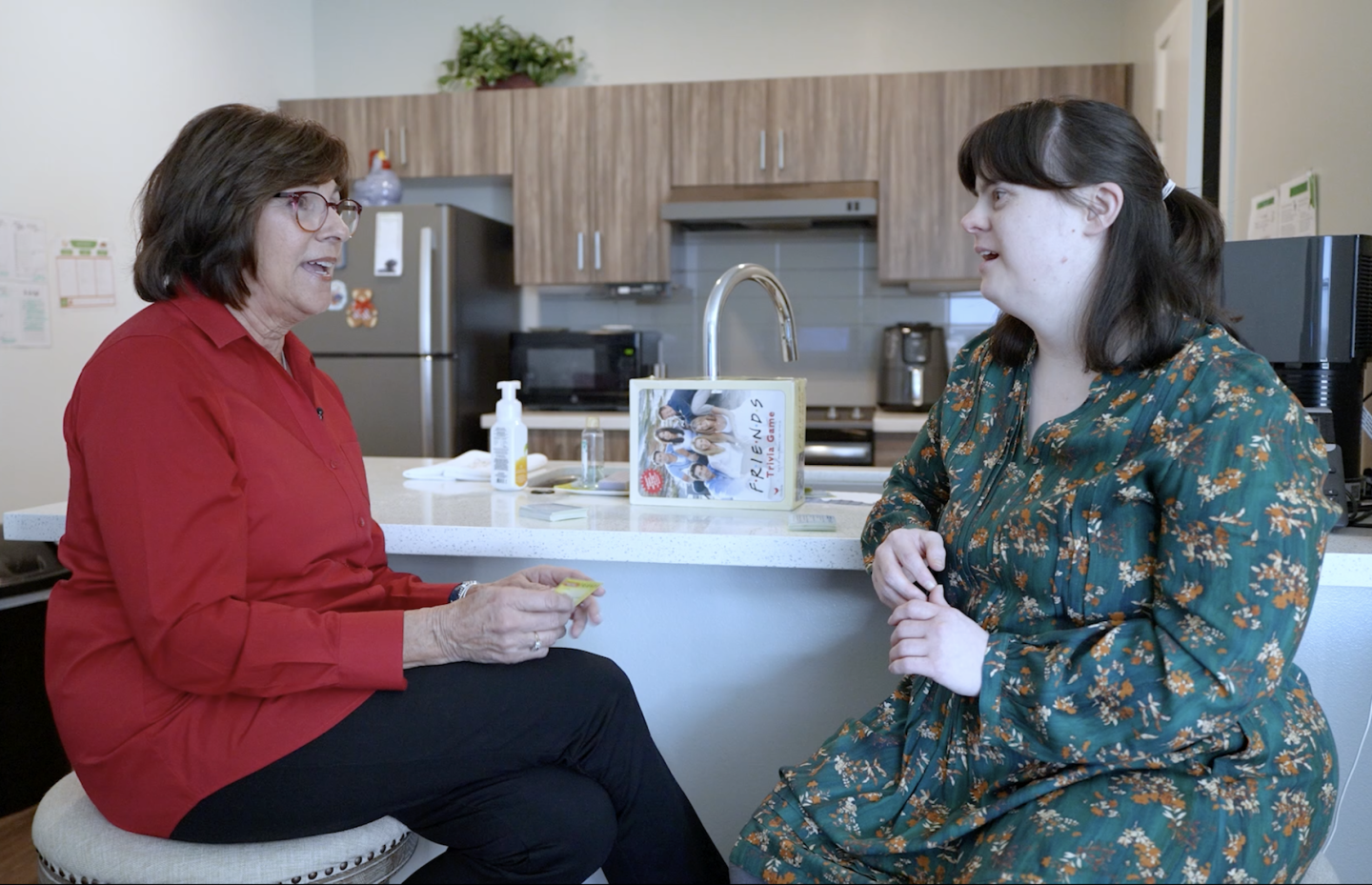
Whether you choose supportive living, independent living or a pathway that includes both, the goal is the same: a meaningful life with the right balance of autonomy, connection and support. Often the best way to attain and enjoy independence is to ease into it. Learn as you go—and go as you learn!
For many adults with autism and/or intellectual/developmental disabilities (I/DD), living independently is an important albeit lofty goal. It’s a milestone that can mean a purpose-filled, self-directed life with much greater challenges than what neurotypical individuals experience when they move out of the family home, especially for the first time.
If you or a loved one has autism and/or I/DD, such a significant move requires planning, a system of supports, tools, training and a connected community. Patience and flexibility are also essential.
In the reflections that follow, we’ll explore what it means to live independently, what expectations you should have, what preparations are necessary—and what can get in the way of success.
It’s important to know that independent living can be different for everyone—it’s up to the individual to define. Most people with autism and/or I/DD would agree that it means having choices over their daily life without constant supervision. That’s empowering—and can take different forms:
However you define your independence, common features typically include access to transportation, employment, shopping and recreation, along with feeling comfortable with essential abilities like life skills, budgeting, working and making friends.
Challenges to living independently vary from person to person. Executive functions like task prioritization, retaining information and adapting to change can become hurdles due to the rigors of everyday life. This can also impact the ability to manage emotions and maintain focus—and the possibility of overload.
Individualized strategies to keep your life organized can help. This can include daily routines, activities you enjoy, scheduled phone calls with family or friends—any form of self-care that allows you to regulate and reduce stress.
Managing everyday domestic responsibilities like grocery shopping, cooking, cleaning, laundry and hygiene are fundamental to independent living. But sensory sensitivities, task sequencing and other issues can make errands and chores challenging for an individual with autism and/or I/DD.
Establishing practical strategies can help reduce stress, increase routines and build confidence. Schedules, checklists and automated reminders can provide order and predictability. Turning a big task into a series of smaller ones can make it manageable and less intimidating. Such frameworks can help make daily goals achievable.
To prepare for such a major life decision, many individuals choose a life skills training program like the First Place Transition Academy. Developed with Southwest Autism Research & Resource Center (SARRC), the Transition Academy is a two-year program that helps adults with autism build crucial independent living and career-readiness skills.
Living independently requires financial decision making, yet paying bills (including rent!), budgeting for necessities and saving money can be impacted by executive function challenges and anxiety.
Easy-to-use tools can help. Bill pay services ensure timely payments. Budgeting apps can provide visual management, real-time tracking and automatic savings, as well as reduce cognitive load. Some individuals may even find that their math skills come in handy.
It’s important to remember that money management is a skill. It may need to be learned gradually, fueled by natural consequences—and a support person or coach can help. Explore all your options!
A good job can teach skills, build confidence, foster relationships and provide purpose. For individuals with autism and/or I/DD, this can be life changing—yet many have never been employed due to lack of experience with communication and interview skills, work environments that are not neuro-inclusive and misunderstood job expectations.
Doors are opening, however, as more neurodivergent jobseekers enroll in employment training programs like Be Ready®. that can prepare you to succeed in the workplace by exposing skills, teaching job readiness and instilling confidence. It’s important to find the right opportunity. The job must align with your skills, the location must be accessible and the employer must provide reasonable accommodations.
It’s not unusual for individuals with autism and/or I/DD to experience social isolation due to lack of communication skills, as well as behavioral differences and intense efforts put into masking. It’s also important to note that isolation may actually work for some individuals. But if it’s accompanied by loneliness or depression, tools and strategies for changing course are recommended.
Exploring independence in a community with structured social and learning programs may be one solution. They can provide built-in mechanisms for building friendships and discovering new interests. Social skills training can also foster relationship building by improving communication and emotional regulation.
The ability to go from one place to another is a key element of independence. It’s the ultimate freedom. Many people with autism and/or I/DD drive. But for those who don’t, unpredictable public transportation schedules, sensory issues in crowded places and executive function challenges can make transportation difficult. This can impact various other dimensions of an independent life: employment, shopping, social outings and healthcare.
Like so many things in life, practice helps. Getting on a bus or train with family or friends, learning routes and getting used to the crowds can help make using public transportation routine. A navigation app or visual map can simplify the process.
Start slow and steady. Get to know your immediate neighborhood first. Then as you get comfortable, venture out and explore—but stay within your comfort level. Navigating your environment shouldn’t cause anxiety.
With new environments come new sensory stimuli. Unexpected noises, lights and smells. Larger, more unpredictable crowds. All can result in overstimulation, added stress and difficulty coping in a new environment.
Your strategy: Create a sensory-friendly environment within your new home. Consider removing fluorescent lights and using dimmable lighting. Choose neutral colors for decor. Use rugs or acoustic panels to reduce the volume of room sounds. And keep your noise-canceling headphones on hand.
Living in a world made for a neurotypical population can add stressors, so it’s important to make time for self-care. Establish calming routines that reduce burnout. Use special interests—fitness, movies, LEGOS® or video games—to promote recreation and relaxation. Stay close to your support network of family and friends—and use it to help you seek counseling if needed.
It always helps to ease into any new environment or living situation. If this is your first time living independently, here are some things to consider:
Set realistic goals. Remember, you and your support community define what success looks like. Make your goals achievable and spread them out—you don’t need to check them off all at once.
Build your life skills early. Make sure you feel comfortable doing laundry, preparing meals, cleaning your space and taking care of your personal hygiene.
Advocate for yourself. You know what makes you feel comfortable—and what makes you feel uncomfortable. Speak up and let people know.
Celebrate every win. As you reach milestones—your first new friend, your first bus ride, your first month on your own—let your friends and family know, then pat yourself on the back. As they say at First Place–Phoenix, “One first leads to the next!”
Be safe and have fun. Your family and friends are cheering you on!
After you find the location, home and support systems that are just right for you, it’s time to do something you may never have thought possible: Move into a place you can call your own and explore your newfound independence—reinforced over time through practice, natural consequences and ever-increasing confidence.
Ready for your next set of challenges?
Making the most of your new life may come with some uncertainty and fear. Will it be hard to get to know your new surroundings? What will it be like to meet neighbors and make new friends? What will you do with your free time?
This article will help you get comfortable in your new home and surroundings with easy strategies and steps to follow so—someday in the future—you can open your front door and say, “Home sweet home!”
Organize your space. You probably already know what works for you. Labels or color coding can help identify things you use regularly. Organizing food items in your kitchen can make meal prep easier. Note where you keep things like cleaning products and backup toilet paper. Household items you use most often should be easy to find. By creating predictability in your new home, you’ll reduce stress; clutter in our home can sometimes create clutter in our mind. Keep things in their place once you decide where they go.
Routines work wonders. It helps to establish some sameness in your daily activities, so make a schedule, including when you want to:
Keep your schedule handy—on your phone and in a visible location at home. Don’t hesitate to make small modifications to your schedule as you add activities and meet new people.
Pay attention to your sensory sensitivities. A calm, peaceful atmosphere always feels welcoming. Know what colors put you at ease and how lighting and noise affect you. You may even consider some low-maintenance plants—a little greenery can be relaxing. Having neighbors means there may be unexpected sounds and smells. It may be a good idea to use noise cancelling earphones or air fresheners.
Know your budget. Make a weekly budget and include what you’ll need for:
Just like your schedule, make adjustments as needed.
Consider technology solutions. There are many technological tools that support greater independence. Explore your options!
Join a club or volunteer. Whether it’s at the gym, volunteering at the local rescue shelter, playing with an online gaming group or going to worship, there are many ways to be around new people. If you are living in a supportive community like First Place–Phoenix, there may also be daily activities. These are great opportunities to meet new people and make new friends.
Trial and error. It can take a few tries before you figure out what works. Talk about the weather, sports, common interests, or even something interesting or funny you saw online. Start slow and be patient—friendships take time to grow. Just saying “Hi” goes a long way; so does sharing something that makes you happy. If they don’t seem interested right away, you may want to try again before deciding they aren’t a good match and moving on to the next potential friend.
If you’re feeling anxious, that’s OK. It’s more than OK—it’s typical! Many people feel the same way. You can help manage this feeling by planning and scheduling when you want to be around new people and even letting others know you’re nervous to meet them. They may be nervous too, which can put you both at ease.
The internet can tell you a lot about where you are going to live; so can visiting ahead of time with family or friends. Walking around an unfamiliar area with people you know can help you adjust. It can also be fun!
Schedule your exploration. By giving yourself a specific day and time to try a new restaurant or visit a new store, you can reduce any anxiety you might be feeling. Plan your routes, research public transportation and set attainable goals—like trying one new place a week.
Never forget the importance of safety. Being independent also means being mindful of any risks or dangers. A new environment can take you out of your routine or comfort zone. Research your destination, look for autism-friendly businesses and attractions, and identify quiet areas. Be mindful of your sensory triggers and have a plan for managing them (for example, noise-canceling headphones or colored-lens glasses).
Make yourself a “Week 1 Checklist.” Find your grocery store, learn your public transportation routes, discover new restaurants and, if you feel up to it, meet a neighbor.
Journal in text or pictures. Keeping track of your schedule and reflecting on each day can reinforce routines. Writing in a journal can help you think through what you did each day and reduce the stress of trying so many new things. It can also help you remember what worked and what didn’t.
Do your research, involve your family and friends in the move, and get ready for some new adventures. Behind your new front door, you’ll have plenty of quiet space. Residents at communities like First Place–Phoenix know that once you step out and into a place of your own, new experiences and newfound confidence are sure to follow!
Exploring the neighborhood before moving is a good idea.
Setting routines can help ease your mind.
Creating a daily plan keeps you on track.
Making friends can take time.
Less clutter = less stress!
Establishing housing and support systems for adults with autism and/or developmental disabilities (DD) takes creativity, tenacity and an openness to roads less traveled. With the diversity of needs, preferences, levels of support and access to resources, there is no GPS tool for a direct route to a single solution. Instead, think of this “how-to” guide as a roadmap with potential paths to desired destinations.
We will explore the essential steps and considerations for establishing housing and support systems for autistic adults and/or others with DD, drawing on the expertise and successful practices of First Place AZ, its collaborators and global community of organizations with similar missions. Whether you are a self-advocate, family member or professional, the goal of this guide is to provide you with insights and knowledge to create a supportive and inclusive living environment tailored to the individual’s unique needs.
If you have not yet read Preparing for Adulthood, start there before proceeding with these next steps.
Clarifying your housing goals and needs is a crucial first step. This process involves reassessing the individual’s level of support needs and desired service delivery model/s, identifying housing and development types preferred, and thinking about activities or community spaces most meaningful to them.
This process should be informed as much as possible by the adult with autism and/or DD. Engage the individual in discussions about their likes, dislikes and aspirations. Consider factors such as preferred living environment (urban, suburban or rural), proximity to family and friends, and access to recreational activities and public amenities. You can start this conversation by:
Starting a discussion about this major transition is important, whether planning for the immediate future or the next 10 years. To identify and document housing goals and needs, you can make a vision board or slide deck or write a social story illustrating the most important aspects of your loved one’s home, support and community connections. This may change over time, but the exercise will give you a general direction towards a destination.
Whether planning to rent or own a future home, thinking about who and how one is going to pay for housing often depends on if the family has additional resources. Special needs planners can assist with financial and legal planning to meet lifelong needs. The free resource The Arc’s Center for Future Planning can help you start.
For families who would like to purchase a home for their loved one, the Family Opportunity Mortgage may be a tool to explore. Many states also offer home buyer assistance programs targeting people with disabilities. Contact your state Housing and Finance Agency to inquire about these programs.
For those who will be renting, thinking about who may inquire about, sign and be approved for a lease is important. A study conducted by the U.S. Administration on Housing and Urban Development (HUD) indicates that people with disabilities face discrimination in up to 50% of rental inquiries. For properties like First Place–Phoenix that welcome adults with autism and/or DD as tenants, this risk dissipates. Learn about your rights and view the study on the HUD landing page for people with disabilities.
In the U.S., housing affordability is achieved through a combination of government programs, subsidies and policies designed to reduce housing costs for low-income persons and families. For those needing assistance to afford rent, check with your local Public Housing Authority to identify if you can get on a waiting list to access a housing choice voucher, especially inquiring if disability-specific mainstream or non-elderly disabled vouchers are available. Public Housing Authorities may also be able to advise if subsidized housing units are available.
Resources for housing assistance are extremely limited and most often do not target adults with autism and/or DD. Other sources, including Autism Housing Network mentioned earlier in this guide, may be available to help offset costs through public benefits.
More advocacy is needed in this space and The Daniel Jordan Fiddle Foundation Fellowship at the First Place Global Leadership Institute is funding research to assist advocates across the country.
Once you have a clear understanding of the individual’s needs, preferences and financial guideposts, it’s time to refine your housing search. Some key considerations:
The goal is to foster an environment where adults with autism and/or DD have the supports they need to thrive, feel safe and achieve their potential.
One of the most critical components of a successful housing arrangement is the integration of support services. Coordination of assistance in daily living, both in the home and in the greater community, requires careful planning and consideration of various types of support systems:
At times, service providers or neuro-inclusive housing options have connections to research institutions. These collaborations strengthen resident support, assist in training the next generation of direct support professionals and advance the development of evidence-based practices. First Place–Phoenix residents further benefit from its collaborations with esteemed organizations like Southwest Autism Research & Resource Center (SARRC) and Creighton University Medical School. These partnerships have enabled First Place–Phoenix to leverage cutting-edge research and best practices, ensuring every individual receives the highest quality of care and support. By integrating the latest research and evidence-based practices into their programs, they continuously strive to improve the quality of life for adults with autism and/or DD.
This exciting life decision can also be overwhelming. Taking the time to pack, unpack and transition to full-time living outside of the family home does not need to happen all at once and should not be rushed. The goal is to find a balance of “leaving the nest” jitters and maladaptive anxiety. First Place AZ has one of the premiere post-secondary residential transition programs in the country with a wealth of experience in helping adults with autism and/or DD transition successfully into independent or supported living environments.
Here are a few key elements to remember:
For adults with autism and/or DD, this requires a combination of structured support, community engagement and confidence in their independent living skills. Life circumstances, routines and interests may change. Regular check-ins are important in these three areas:
One’s home is integral to life satisfaction. There may come a time for a needed shift, which may include a change in level of support, feelings of isolation or loneliness due to different location of natural supports—or maybe just a desire for a different living environment. First Place–Phoenix does not assume residents will stay in the apartment community over their lifespan—but that it may be simply their “first place.” on their own. Any changes needed should not be seen as failure but more as refinement.
With careful preparation and the right supports, adults with autism and/or DD can thrive in their own home. Families of neurodiverse individuals can make informed decisions about the most suitable housing options by clarifying needs, conducting financial planning, understanding support systems and finding the right community. By leveraging the expertise of organizations like First Place AZ and SARRC, and utilizing valuable resources such as the A Place in the World report, we can create a supportive and enriching environment that promotes independence, dignity and a sense of belonging for individuals with autism and/or DD.
We encourage you to reach out for a one-on-one discussion, explore other offerings and share this resource with others who may be on the same path. Together, we can create inclusive and supportive environments where individuals with autism and/or DD can find their place in the world.
Exploring life beyond the nest often comes with a strong sense of trepidation for adults with autism and/or neurodevelopmental disabilities. Yet, without a plan, families risk hasty decisions and potentially less than ideal outcomes. Deciding what may be the right housing option for you or your family member is a crucial step in developing and incentivizing greater independence. In this blog, we will explore the various housing choices available, providing a thorough comparison of each option’s benefits considerations and benefits. The goal is to give you a clear understanding of diverse housing and support solutions that best meet your needs or those of your loved one.
The transition to adulthood is an exciting and transformative journey filled with new experiences, opportunities and natural consequences for when things work out well or may not proceed as planned. As young adults navigate this period, they encounter challenges, including increased responsibilities, adult decision-making, social experiences in various adult contexts and the pursuit of a meaningful vocation or volunteer opportunities. These challenges present valuable opportunities for personal growth and development.
Having a home that provides a stable environment to decompress and recharge for the day ahead is key. Consider these three core elements when exploring living options:
Is this a location where I can do things I like? Is it accessible? Do I feel safe here? Can I afford it? Can I change service providers if needed in the future? If your gut says it isn’t a good fit, it may not be!
During this transition, individualized support is crucial to help young adults build the skills and confidence they need to thrive. Tailored guidance and resources can empower them to overcome obstacles, make informed choices and achieve goals. With personalized support, each young adult’s unique strengths and needs can be recognized and addressed, paving the way for successful and fulfilling adulthood. These supports can sometimes be paid for using a Medicaid-funded waiver, but this funding source often has waitlists and cannot be used to pay for housing, room or board.
What extras does the property offer that other typical, similar settings lack? Examples include planned social activities for residents, scheduled life skill classes, people to help you connect with activities and organizations in the community and an onsite concierge. Check out a few First Place–Phoenix videos highlighting these types of supportive amenities and planned activities.
By understanding whether the property is provider-controlled or consumer-controlled, you can determine who has the authority and control over living arrangements and support services. In provider-controlled housing, a service provider or agency owns or manages the housing and makes decisions about the living environment and support services. In consumer-controlled housing, the individual with disabilities or their family has control over the housing and selection of support services. Both models have their advantages and challenges; the optimum choice depends on the individual’s needs, preferences and level of independence.
Through the First Place Global Leadership Institute and its housing market analyses in cities across the country, we know location and access to transportation options are a key considerations since transportation is often listed as the top barrier to people engaging in their community and maintaining relationships. Other considerations include proximity to places within walking distance, a single public transit route or on-site access to transportation to the grocery store or services such as healthcare, education and recreational activities can enhance the individual’s quality of life and promote greater independence.
Options for individualized support services may be accessed through a variety of different service providers. A person could use remote support similar to telehealth, as well as smart-home devices for support without the need for another adult present in the home. They could have a live-in caregiver in a shared living arrangement or a host home. Staff could be scheduled and arrive as needed through self-direction or agency-based rotational staffing. Knowing what service delivery model may work best for you is key.
This varies greatly among individuals with autism and/or neurodevelopmental disabilities. Some may need 24/7 assistance, while others might only need drop-in support. Ensuring your service provider can meet your needs and shares your values helps ensure you receive the right level of assistance to thrive.
Community integration does not occur simply because someone lives in the middle of a city. It takes intentional support to build social connections and feel a sense of belonging. Natural support networks, including friends, neighbors and local organizations, can provide additional assistance and opportunities for social engagement, as well as that important layer of protection against those who may not have the best of intentions.

A group home is typically a provider-controlled setting where a service provider or agency recruits, trains and schedules staff for multiple residents with disabilities in a single-family home. All residents use the same service provider and share on-site staff who are available 24/7.
The provider controls the housing and manages the property for residents. This model can offer more structured and constant support but may limit personal choice and flexibility.
Residents may have less autonomy in choosing their roommates or support staff. If they want to change their service provider due to preference or change of their level of support, they will have to leave the home.

Supported living in neuro-inclusive planned communities refers to housing models designed to accommodate the unique needs of individuals with autism and and/or neurodevelopmental disabilities. These properties provide a supportive environment where residents can live independently while having access to additional resources. They may be consumer-controlled with supportive amenities or provider controlled.
Designed with neurodiverse adults in mind, properties often include sensory-friendly design and a range of supportive amenities. Existing partnerships may offer additional vocational training opportunities and access to healthcare.
Properties may or may not include neurotypical residents. Not all properties may have 2+-bedroom units, which can be a restrictive factor for a live-in caregiver. Such options are very limited and often have long waiting lists.

Independent living in a scattered-site setting enables an autistic adult and/or their family to find an affordable home in the community and organize their preferred service delivery model and service provider. As a consumer-controlled setting, individuals tailor this living arrangement and support to their specific needs and preferences.
Greater personal choice of location, which can offer continuity of one’s natural support system built over time. Also adds the potential to bequeath or add an accessory dwelling unit to the family home. For those who love their neighborhood and have the means to do so, a homeownership option may be a more stable long-term choice.
Appropriate housing can be difficult to secure and accommodations for sensory or cognitive disability may not be readily available in a rental scenario. Rates of loneliness are high, even with autistic adults living with those closest to them in their family home, particularly once parents are no longer present to facilitate social interaction.
Use the worksheets in the A Place in the World report to begin documenting needs, preferences and goals for future living arrangements. Reference the list of options presented in the body of the report.
Visit potential housing options to get a feel for the environment, amenities and community. Talk to current residents about their experiences.
Engage your case managers, therapists and service providers to offer guidance and support throughout the transition process.
Plan for future needs by talking to a local special needs planner, contacting The Arc’s Center for Future Planning or opening an ABLE account, which allows individuals with disabilities to save or invest money without paying taxes on earnings.
Make it fun! Create a slide deck, write a story or make a vision board to start outlining the steps, timeline and resources needed for such an important move. Include milestones and contingency opportunities in your plan.
Offer encouragement and reassurance to help ease anxiety and build confidence. Avoid pressure and ultimatums.
Help with researching housing options, scheduling tours and consulting with experts.
If applicable, stop doing your loved one’s dishes and laundry, two key skills needed to live independently. Supporting your family member with autism and/or neurodevelopmental disabilities in developing other essential life skills such as hygiene, cooking, cleaning and managing finances as appropriate are also important ways to help.
Self-advocacy is critical, but not everyone can speak for themselves. Speak up on behalf of your loved one or client.
Encourage your loved one to take an active role in decision-making, ensuring their voice is heard and respected even if it means they must take a risk and potentially “fail forward.”
Teach self-advocacy skills. This includes effective identification and expression of their needs, preferences and concerns.
To the extent possible, adults with autism and/or neurodevelopmental disabilities should be part of every step of the planning process to ensure they feel ownership and control over their transition.
Fostering a supportive environment can help individuals successfully transition to their new home away from home, gaining the confidence and skills they need to thrive on their own.
There is no right or wrong path to housing. After you take the opportunity to understand the benefits and considerations of every option, you may find multiple solutions from which to choose. Early planning is essential to ensure securing a preferred housing model that aligns with an individual’s needs and preferences. By taking the time to assess various options and involving the individual in the decision-making process, you can open the door to supportive and empowering living environments.
We encourage you to explore the resources and housing programs offered by First Place–Phoenix. Years of experience and collaboration with clinically rooted organizations like Southwest Autism Research & Resource Center enables First Place to provide valuable support on the exciting, rewarding journey toward independence.
For any individual, the transition from teen years to adulthood can be a time of confusing, new challenges—both practical and emotional. For individuals with autism and/or intellectual/developmental disabilities (I/DD), Down syndrome or other neurodiversity, along with their parents and caregivers, those challenges and the related concerns are magnified.
First Place–Phoenix is an apartment community in the city’s vibrant urban center where thriving amid these challenges is a way of life. The supportive environment with skilled, compassionate staff allows neurodivergent individuals to explore and develop the life skills and sense of purpose to live more independently as adults.
Founded in 2012 by Denise D. Resnik, mother of a son with autism, Matt, and co-founder of the Southwest Autism Research & Resource Center (SARRC), First Place–Phoenix has developed a national reputation for innovative programs that create a path to and throughout adulthood. In this article, we will journey down this path together and provide you with the information necessary to help you, your parents and family members navigate adult life with autism and/or I/DD, Down syndrome or other neurodiversity.
What should a parent learning about autism and/or I/DD, Down syndrome or neurodiversity be thinking about if they have a teen transitioning into adulthood? It is helpful to view life through a different lens. Many hurdles exist, including:
Preparing for the looming changes and challenges of adulthood is fundamental to more independent living. It helps to start early—well before the person with autism and/or I/DD, Down syndrome or other neurodiversity turns age 18. A plan that includes goals, strategies and a network of support services is critical.
The social challenges that come with autism and/or I/DD, Down syndrome or other neurodiversity vary from person to person. They can include anxiety, difficulty engaging in conversation, understanding body language and unspoken communication and making eye contact. Busy public spaces can also present barriers and new environments may be challenging.
How an individual responds to such situations can affect various aspects of life. Going to school, working in an office or store setting, making friends and walking through crowded public spaces can be difficult. They can lead to a lifetime of isolation, loneliness and unemployment.
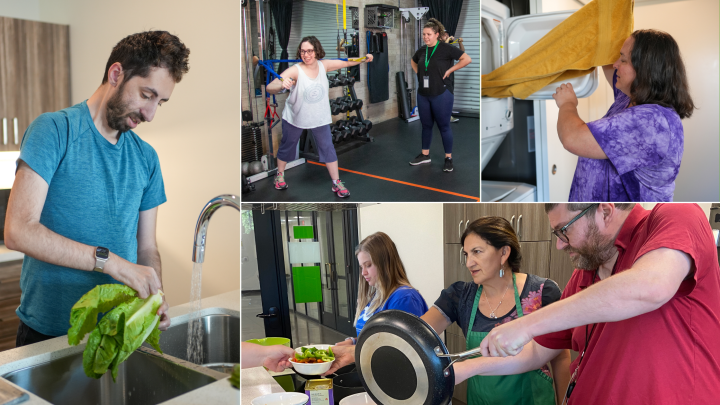
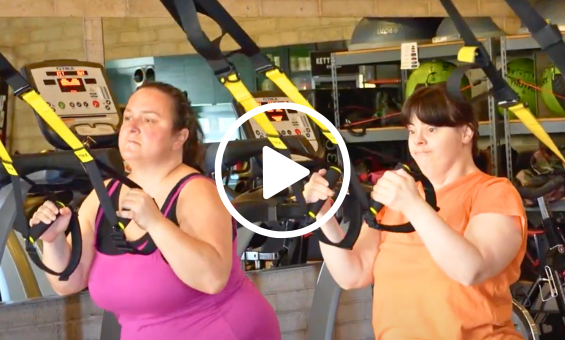
Social skills training can help people with autism and/or I/DD, Down syndrome or other neurodiversity work through and manage challenging situations. The key is practice, including imitation, role-play and a range of group activities. At First Place–Phoenix, daily Community Life activities provide residents with opportunities to cook together, exercise in groups and express themselves through visual and performing arts. Such opportunities help individuals learn to initiate conversations, recognize social cues, build friendships and overcome fears.
An independent life requires mastering skills that we use all day, every day, including routines and activities that keep us fed and entertained, get us from point A to point B and help us manage our finances. For someone with autism and/or I/DD, Down syndrome or other neurodiversity, such skills require training and practice.

Money Management
Household care and cleaning

Shopping for groceries, clothing and essentials

Meal preparation and storage

Understanding and appreciation of nutrition
Lifetime health and wellness

Navigating transportation
Job interviews and being a responsible employee
First Place–Phoenix residents learn and manage these skills through clear, basic instruction that includes scheduling, daily checklists, group classes and one-on-one training. Breaking up routines into smaller tasks is also important. Like every life skill, it’s important to begin learning these early. Don’t wait for your loved one with autism and/or I/DD, Down syndrome or other neurodiversity to turn 18 before starting to think about life skills, homes, friends and jobs.
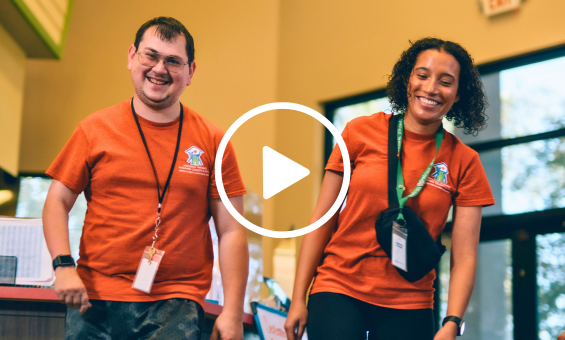
Employment training is crucial because income is key to independent living. This includes teaching someone how to understand their strengths and talents, look and apply for a job, interview, act in the workplace, complete tasks, grasp expectations—and advocate for themselves. The Be Ready employment readiness program and curriculum developed at First Place–Phoenix teaches these skills.
It is advisable for families of a loved one with autism and/or I/DD, Down syndrome or other neurodiversity who are preparing for adulthood to explore housing options. There are many factors to consider: affordability, support requirements, proximity to services, education, training, employment, healthcare and more. Other considerations include privacy, a preference between urban and rural locations, sensory issues and proximity to family and friends. A range of housing options includes:
Like the apartments at First Place–Phoenix, they offer adults the opportunity to live more independently with varying levels of supports from trained staff.
These are specialized facilities that provide a structured environment for individuals with disabilities.
These can be amenity-rich residential areas developed and managed for individuals with autism and/or I/DD, Down syndrome or other neurodiversity.
Many people with autism and/or I/DD, Down syndrome or other neurodiversity develop the skills and confidence to live on their own or with a roommate in their own home with limited or no support.
First Place–Phoenix is not a group home or a licensed, congregate care or assisted living facility, and is not designed for those who require the assistance of a medical home.
An adult with autism and/or I/DD, Down syndrome or other neurodiversity who has strong self-advocacy skills can more effectively work with others to negotiate and assert their interests and rights. This includes appropriate accommodations. An adult living independently will potentially need the ability to advocate for specific accommodations at home and at work, as well as within a healthcare, school or training environment. This may also involve knowing when and how to disclose to express their unique challenges.
These can be difficult skills to attain, and like all life skills, require practice with support. Starting early is better for building the necessary skills and confidence for more independent living. Strategies for developing self-advocacy skills include role-play, communication and self-determination training, and instruction about individual rights. Mentorship and modeling are also beneficial.
Having a realistic self-understanding can also play an important role in the ability to advocate for oneself and/or the needs of a loved one. Understanding unique abilities, preferences, personalities and limitations can help individuals be their own best advocate.

The recurring theme is preparation and practice. Starting early helps give your loved one—and you—an advantage in:
We encourage you to seek various resources to learn more and prepare yourself and/or your adult loved one. We also invite you to contact First Place–Phoenix for additional information and to take a tour.
Just by reading this you are taking the right step—but it’s also beneficial to know there are many more in front of you.