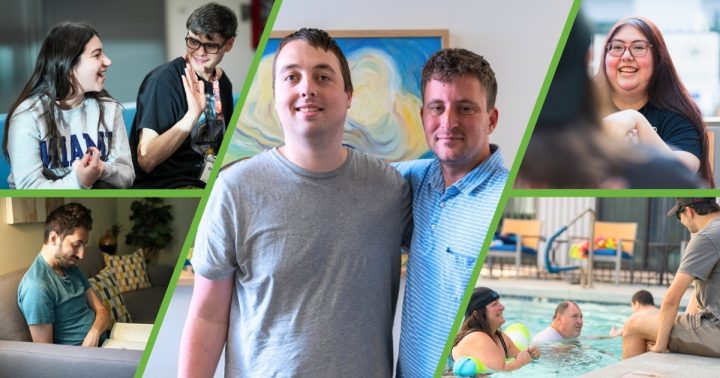
The differences among various residential living options for adults with autism and/or intellectual/developmental disabilities (I/DD) can be confusing. Two models in particular, supportive and independent living, are often compared. While both can help promote autonomy, the right choice depends on your needs, preferences, level of readiness and long-term goals. In this blog, we’ll focus on these two models, exploring key differences and benefits to help you choose what’s right for you.
What is independent living for adults and/or I/DD?
In its truest definition, independence means living in your own residence—alone or with roommates—with maximum autonomy. It can include friendships, the freedom to plan and cook meals, the possibility of a steady job, the confidence to use public transportation and the responsibility that comes with paying bills. The goal is to increase autonomy as you pursue and experience daily activities, social engagement and employment opportunities.
What is supportive living for adults and/or I/DD?
Supportive living is empowered living, not assisted living. It offers adults with autism and/or I/DD an opportunity to live in a place they can call their own and includes amenities, programs and services that provide varying levels of autonomy. Unlike group homes, this person-centered model prioritizes self-direction, emphasizing a range of life skills that instill confidence. Supports can evolve with the individual, helping them transition to greater levels of independence with time and experience.
Independent Living vs. Supportive Living
Need | Independent Living | Supportive Living |
|---|---|---|
| Level of Support | Low or occasional support needs | Regular, personalized support needs |
| Daily Routines | Mostly self-managed | Managed through reminders, coaching or direct help |
| Best Fit | Adults who can manage many tasks with limited support | Adults who want independence but need more structure |
| Family Role | Occasional support and planning coordination | More active coordination with support providers |
| Safety | Basic safety awareness and emergency planning | More hands-on safety support needs |
| Main Goal | Greater autonomy and self-direction | Independence with structured support |
Independent living doesn't mean no support.
Enjoying a self-directed life doesn’t mean living day to day without support. Individuals with autism and/or I/DD can see their independence grow with the help of routines and planned activities, assistive scheduling and budgeting technology, supportive services, employment training and family support.
Other common supports include:
- Life skills training
- Wellness programs
- Shopping training
- Accessible amenities
- Meal planning
- Medication management
- Autonomous transportation
Benefits of independent living for adults with autism and/or I/DD.
Greater personal freedom
Imagine what it would mean to have control over daily routines, planned activities, meals, privacy and personal relationships.
Stronger daily living skills
Increased self-advocacy
Autonomy gives you an opportunity to think about what’s right for you and speak up when you need help—or need to be heard. Autonomy empowers you to express your needs, ask questions and make personal decisions.
Greater community participation
Social engagement and community involvement don’t always come easy for someone with autism and/or I/DD—but here is an opportunity to work on both. You can join social activities, look for work opportunities, explore transportation options and seek out ways to be civically engaged.
Benefits of supportive living for adults with autism and/or I/DD.
Personalized daily support
Living with personalized supports can help you plan and maintain your daily routines, plan your meals, maintain hygiene, schedule and keep appointments and stay on top of tasks around the home.
More structure and consistency
The consistency of personalized supports is like having a personal trainer. You have someone to help establish proper techniques, tools and systems—which can reduce stress and build confidence.
Added peace of mind
Structured support can provide the reassurance of supervision together with self-guidance. That can mean peace of mind for family and friends.
Social and emotional support
When a support team is actively involved in your daily life, you have a built-in network of friends. Regular interaction helps build your communication skills and confidence and reduces feelings of isolation and loneliness.
A step toward greater independence
If the ultimate goal is greater autonomy, a supportive community environment can help you build the required life skills.
How families can choose the right option.
Families and guardians can often work with the individual to recognize what situation will work best. Goals can be identified, strengths and preferences can be discussed and areas for growth should definitely be considered. One option—independence vs supportive living—is not better than the other, so avoid any discussion of labels.
How First Place–Phoenix supports adults with autism and neurodevelopmental disabilities.
A supportive community like First Place–Phoenix provides a suite of supports, amenities and community life activities that help adults with autism and/or I/DD thrive as they chart their individual paths to more independent living. Employment training plays a key role in the pursuit of greater autonomy—even volunteer opportunities promote the skills to help you establish a life you can call your own.
Location is also important, and the convenient, midtown neighborhood surrounding First Place–Phoenix gives residents easy access to employment opportunities, shopping, recreation, entertainment and public transportation. Living in a connected community offers a higher level of autonomy and engagement.
Questions for the family to consider:
- How much daily support do you need?
- What type of environment makes you most comfortable?
- Will you be connected to neighbors, friends and future employers?
- How will you get to work?
- Are you near healthcare, grocery stores, pharmacies, recreation, gyms, hair care, etc.?
- What’s the plan for when you’re bored or lonely?
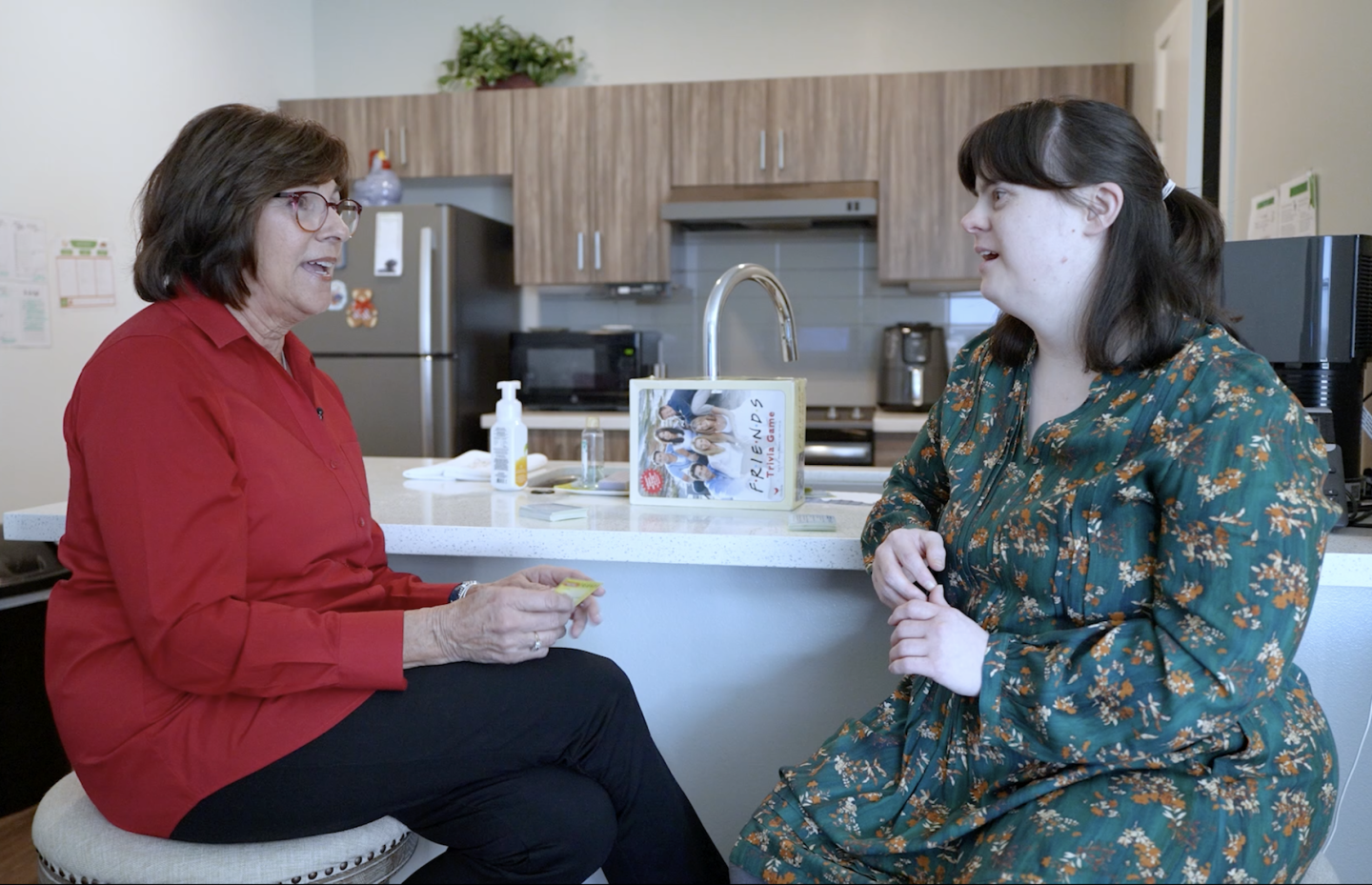
Live a life that is true to you!
Whether you choose supportive living, independent living or a pathway that includes both, the goal is the same: a meaningful life with the right balance of autonomy, connection and support. Often the best way to attain and enjoy independence is to ease into it. Learn as you go—and go as you learn!