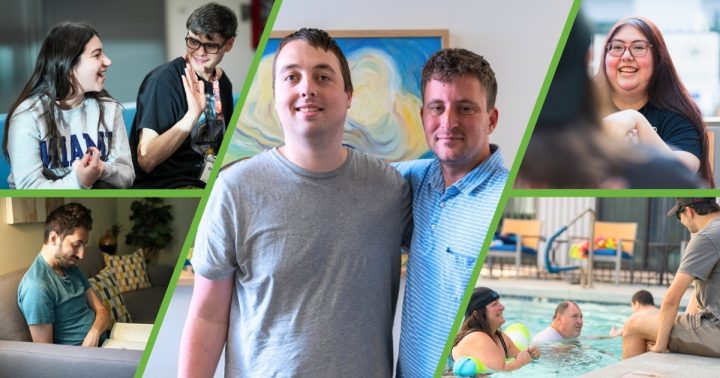
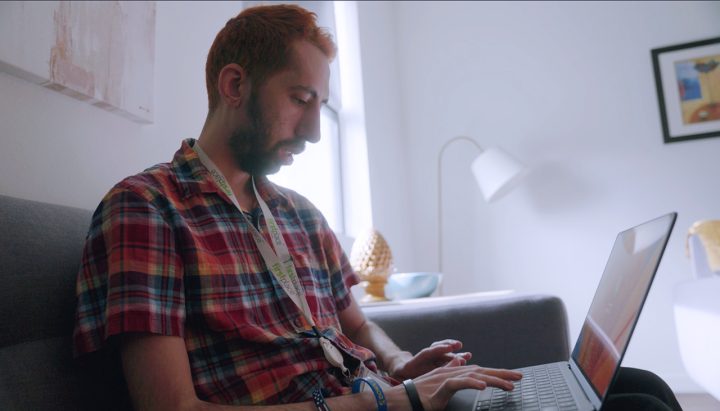
For any individual, the transition from teen years to adulthood can be a time of confusing, new challenges—both practical and emotional. For individuals with autism and/or intellectual/developmental disabilities (I/DD), Down syndrome or other neurodiversity, along with their parents and caregivers, those challenges and the related concerns are magnified.
First Place–Phoenix is an apartment community in the city’s vibrant urban center where thriving amid these challenges is a way of life. The supportive environment with skilled, compassionate staff allows neurodivergent individuals to explore and develop the life skills and sense of purpose to live more independently as adults.
Founded in 2012 by Denise D. Resnik, mother of a son with autism, Matt, and co-founder of the Southwest Autism Research & Resource Center (SARRC), First Place–Phoenix has developed a national reputation for innovative programs that create a path to and throughout adulthood. In this article, we will journey down this path together and provide you with the information necessary to help you, your parents and family members navigate adult life with autism and/or I/DD, Down syndrome or other neurodiversity.
Understanding the Transition to Adulthood
What should a parent learning about autism and/or I/DD, Down syndrome or neurodiversity be thinking about if they have a teen transitioning into adulthood? It is helpful to view life through a different lens. Many hurdles exist, including:
- Accessing healthcare from medical professionals who are not trained to understand and treat the autism and/or I/DD population.
- Securing and maintaining employment with organizations that acknowledge and accommodate adults with disabilities.
- Establishing and sustaining healthy relationships outside the family.
- Making friends and avoiding social isolation.
- Navigating complex adult situations and environments.
Preparing for the looming changes and challenges of adulthood is fundamental to more independent living. It helps to start early—well before the person with autism and/or I/DD, Down syndrome or other neurodiversity turns age 18. A plan that includes goals, strategies and a network of support services is critical.
Developing Social Skills for Adulthood
The social challenges that come with autism and/or I/DD, Down syndrome or other neurodiversity vary from person to person. They can include anxiety, difficulty engaging in conversation, understanding body language and unspoken communication and making eye contact. Busy public spaces can also present barriers and new environments may be challenging.
How an individual responds to such situations can affect various aspects of life. Going to school, working in an office or store setting, making friends and walking through crowded public spaces can be difficult. They can lead to a lifetime of isolation, loneliness and unemployment.
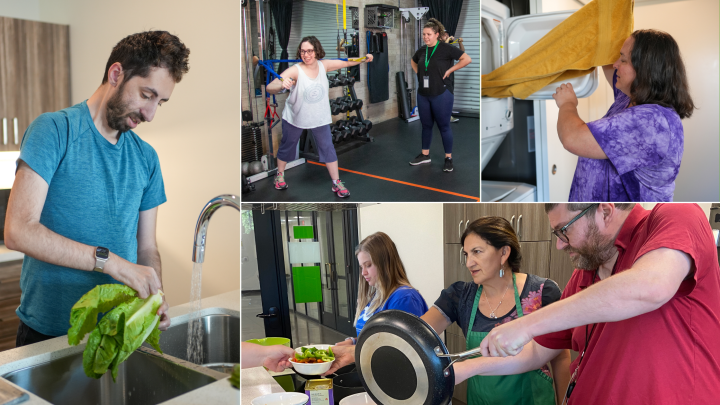
Social skills training can help people with autism and/or I/DD, Down syndrome or other neurodiversity work through and manage challenging situations. The key is practice, including imitation, role-play and a range of group activities. At First Place–Phoenix, daily Community Life activities provide residents with opportunities to cook together, exercise in groups and express themselves through visual and performing arts. Such opportunities help individuals learn to initiate conversations, recognize social cues, build friendships and overcome fears.
Daily Life Skills: Building Independence
An independent life requires mastering skills that we use all day, every day, including routines and activities that keep us fed and entertained, get us from point A to point B and help us manage our finances. For someone with autism and/or I/DD, Down syndrome or other neurodiversity, such skills require training and practice.
- Money management
- Household care and cleaning
- Shopping for groceries, clothing and essentials
- Meal preparation and storage
- Understanding and appreciation of nutrition
- Lifetime health and wellness
- Navigating transportation
- Job interviews and being a responsible employee

Money Management
Household care and cleaning

Shopping for groceries, clothing and essentials
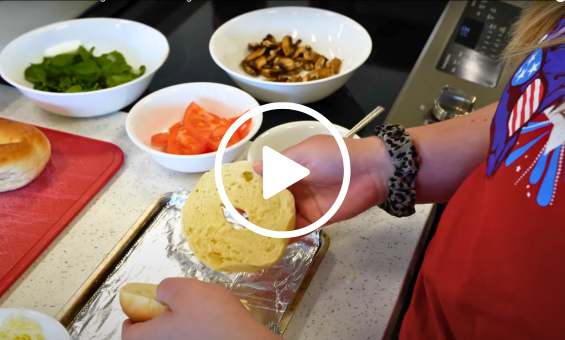
Meal preparation and storage
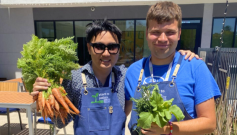
Understanding and appreciation of nutrition
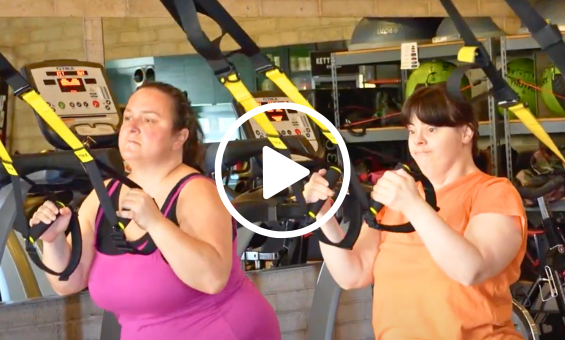
Lifetime health and wellness
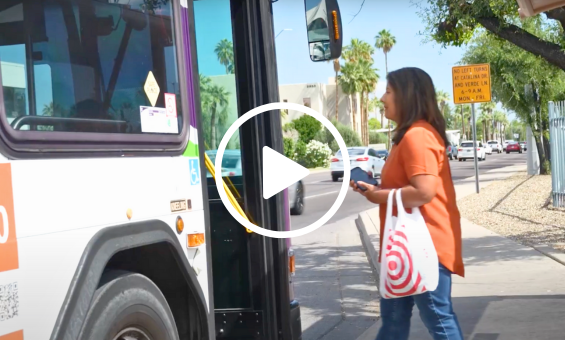
Navigating transportation
Job interviews and being a responsible employee
First Place–Phoenix residents learn and manage these skills through clear, basic instruction that includes scheduling, daily checklists, group classes and one-on-one training. Breaking up routines into smaller tasks is also important. Like every life skill, it’s important to begin learning these early. Don’t wait for your loved one with autism and/or I/DD, Down syndrome or other neurodiversity to turn 18 before starting to think about life skills, homes, friends and jobs.
Employment training is crucial because income is key to independent living. This includes teaching someone how to understand their strengths and talents, look and apply for a job, interview, act in the workplace, complete tasks, grasp expectations—and advocate for themselves. The Be Ready employment readiness program and curriculum developed at First Place–Phoenix teaches these skills.
Housing and Independent Living Options
It is advisable for families of a loved one with autism and/or I/DD, Down syndrome or other neurodiversity who are preparing for adulthood to explore housing options. There are many factors to consider: affordability, support requirements, proximity to services, education, training, employment, healthcare and more. Other considerations include privacy, a preference between urban and rural locations, sensory issues and proximity to family and friends. A range of housing options includes:
Supportive Living
Like the apartments at First Place–Phoenix, they offer adults the opportunity to live more independently with varying levels of supports from trained staff.
Group Homes
These are specialized facilities that provide a structured environment for individuals with disabilities.
Planned Communities
These can be amenity-rich residential areas developed and managed for individuals with autism and/or I/DD, Down syndrome or other neurodiversity.
Independent Living
Many people with autism and/or I/DD, Down syndrome or other neurodiversity develop the skills and confidence to live on their own or with a roommate in their own home with limited or no support.
First Place–Phoenix is not a group home or a licensed, congregate care or assisted living facility, and is not designed for those who require the assistance of a medical home.
Self-Advocacy for Adults
An adult with autism and/or I/DD, Down syndrome or other neurodiversity who has strong self-advocacy skills can more effectively work with others to negotiate and assert their interests and rights. This includes appropriate accommodations. An adult living independently will potentially need the ability to advocate for specific accommodations at home and at work, as well as within a healthcare, school or training environment. This may also involve knowing when and how to disclose to express their unique challenges.
These can be difficult skills to attain, and like all life skills, require practice with support. Starting early is better for building the necessary skills and confidence for more independent living. Strategies for developing self-advocacy skills include role-play, communication and self-determination training, and instruction about individual rights. Mentorship and modeling are also beneficial.
Having a realistic self-understanding can also play an important role in the ability to advocate for oneself and/or the needs of a loved one. Understanding unique abilities, preferences, personalities and limitations can help individuals be their own best advocate.

Transitioning to Adulthood Requires Skills and Planning
The recurring theme is preparation and practice. Starting early helps give your loved one—and you—an advantage in:
- The daily skills to manage daily life
- The social skills to open doors and step through them
- The housing option that fits one’s budget, life needs and lifestyle
- The self-advocacy skills to communicate and negotiate on one’s own behalf
- The awareness of one’s own unique abilities
We encourage you to seek various resources to learn more and prepare yourself and/or your adult loved one. We also invite you to contact First Place–Phoenix for additional information and to take a tour.
Just by reading this you are taking the right step—but it’s also beneficial to know there are many more in front of you.