Exploring life beyond the nest often comes with a strong sense of trepidation for adults with autism and/or neurodevelopmental disabilities. Yet, without a plan, families risk hasty decisions and potentially less than ideal outcomes. Deciding what may be the right housing option for you or your family member is a crucial step in developing and incentivizing greater independence. In this blog, we will explore the various housing choices available, providing a thorough comparison of each option’s benefits considerations and benefits. The goal is to give you a clear understanding of diverse housing and support solutions that best meet your needs or those of your loved one.
The transition to adulthood is an exciting and transformative journey filled with new experiences, opportunities and natural consequences for when things work out well or may not proceed as planned. As young adults navigate this period, they encounter challenges, including increased responsibilities, adult decision-making, social experiences in various adult contexts and the pursuit of a meaningful vocation or volunteer opportunities. These challenges present valuable opportunities for personal growth and development.
Having a home that provides a stable environment to decompress and recharge for the day ahead is key. Consider these three core elements when exploring living options:
Housing
Is this a location where I can do things I like? Is it accessible? Do I feel safe here? Can I afford it? Can I change service providers if needed in the future? If your gut says it isn’t a good fit, it may not be!
Individualized support
During this transition, individualized support is crucial to help young adults build the skills and confidence they need to thrive. Tailored guidance and resources can empower them to overcome obstacles, make informed choices and achieve goals. With personalized support, each young adult’s unique strengths and needs can be recognized and addressed, paving the way for successful and fulfilling adulthood. These supports can sometimes be paid for using a Medicaid-funded waiver, but this funding source often has waitlists and cannot be used to pay for housing, room or board.
Supportive amenities
What extras does the property offer that other typical, similar settings lack? Examples include planned social activities for residents, scheduled life skill classes, people to help you connect with activities and organizations in the community and an onsite concierge. Check out a few First Place–Phoenix videos highlighting these types of supportive amenities and planned activities.
Before we delve into housing and support models, consider these important features
Control of housing
By understanding whether the property is provider-controlled or consumer-controlled, you can determine who has the authority and control over living arrangements and support services. In provider-controlled housing, a service provider or agency owns or manages the housing and makes decisions about the living environment and support services. In consumer-controlled housing, the individual with disabilities or their family has control over the housing and selection of support services. Both models have their advantages and challenges; the optimum choice depends on the individual’s needs, preferences and level of independence.
Proximity to community resources
Through the First Place Global Leadership Institute and its housing market analyses in cities across the country, we know location and access to transportation options are a key considerations since transportation is often listed as the top barrier to people engaging in their community and maintaining relationships. Other considerations include proximity to places within walking distance, a single public transit route or on-site access to transportation to the grocery store or services such as healthcare, education and recreational activities can enhance the individual’s quality of life and promote greater independence.
Service delivery model
Options for individualized support services may be accessed through a variety of different service providers. A person could use remote support similar to telehealth, as well as smart-home devices for support without the need for another adult present in the home. They could have a live-in caregiver in a shared living arrangement or a host home. Staff could be scheduled and arrive as needed through self-direction or agency-based rotational staffing. Knowing what service delivery model may work best for you is key.
Level of support needed
This varies greatly among individuals with autism and/or neurodevelopmental disabilities. Some may need 24/7 assistance, while others might only need drop-in support. Ensuring your service provider can meet your needs and shares your values helps ensure you receive the right level of assistance to thrive.
Importance of natural support networks
Community integration does not occur simply because someone lives in the middle of a city. It takes intentional support to build social connections and feel a sense of belonging. Natural support networks, including friends, neighbors and local organizations, can provide additional assistance and opportunities for social engagement, as well as that important layer of protection against those who may not have the best of intentions.
Suggestions of benefits and considerations when exploring housing options

Group homes
A group home is typically a provider-controlled setting where a service provider or agency recruits, trains and schedules staff for multiple residents with disabilities in a single-family home. All residents use the same service provider and share on-site staff who are available 24/7.
The provider controls the housing and manages the property for residents. This model can offer more structured and constant support but may limit personal choice and flexibility.
Residents may have less autonomy in choosing their roommates or support staff. If they want to change their service provider due to preference or change of their level of support, they will have to leave the home.

Neuro-inclusive planned communities
Supported living in neuro-inclusive planned communities refers to housing models designed to accommodate the unique needs of individuals with autism and and/or neurodevelopmental disabilities. These properties provide a supportive environment where residents can live independently while having access to additional resources. They may be consumer-controlled with supportive amenities or provider controlled.
Designed with neurodiverse adults in mind, properties often include sensory-friendly design and a range of supportive amenities. Existing partnerships may offer additional vocational training opportunities and access to healthcare.
Properties may or may not include neurotypical residents. Not all properties may have 2+-bedroom units, which can be a restrictive factor for a live-in caregiver. Such options are very limited and often have long waiting lists.

Scattered-site housing
Independent living in a scattered-site setting enables an autistic adult and/or their family to find an affordable home in the community and organize their preferred service delivery model and service provider. As a consumer-controlled setting, individuals tailor this living arrangement and support to their specific needs and preferences.
Greater personal choice of location, which can offer continuity of one’s natural support system built over time. Also adds the potential to bequeath or add an accessory dwelling unit to the family home. For those who love their neighborhood and have the means to do so, a homeownership option may be a more stable long-term choice.
Appropriate housing can be difficult to secure and accommodations for sensory or cognitive disability may not be readily available in a rental scenario. Rates of loneliness are high, even with autistic adults living with those closest to them in their family home, particularly once parents are no longer present to facilitate social interaction.
Guide to a smooth and successful transition
Assess needs and preferences.
Use the worksheets in the A Place in the World report to begin documenting needs, preferences and goals for future living arrangements. Reference the list of options presented in the body of the report.
Tour options.
Visit potential housing options to get a feel for the environment, amenities and community. Talk to current residents about their experiences.
Consult with your team.
Engage your case managers, therapists and service providers to offer guidance and support throughout the transition process.
Plan for legal and financial goals.
Plan for future needs by talking to a local special needs planner, contacting The Arc’s Center for Future Planning or opening an ABLE account, which allows individuals with disabilities to save or invest money without paying taxes on earnings.
Develop a transition plan.
Make it fun! Create a slide deck, write a story or make a vision board to start outlining the steps, timeline and resources needed for such an important move. Include milestones and contingency opportunities in your plan.
Role of parents and caregivers: How can you help your loved one prepare?
Provide emotional support.
Offer encouragement and reassurance to help ease anxiety and build confidence. Avoid pressure and ultimatums.
Assist with planning.
Help with researching housing options, scheduling tours and consulting with experts.
Facilitate skill development.
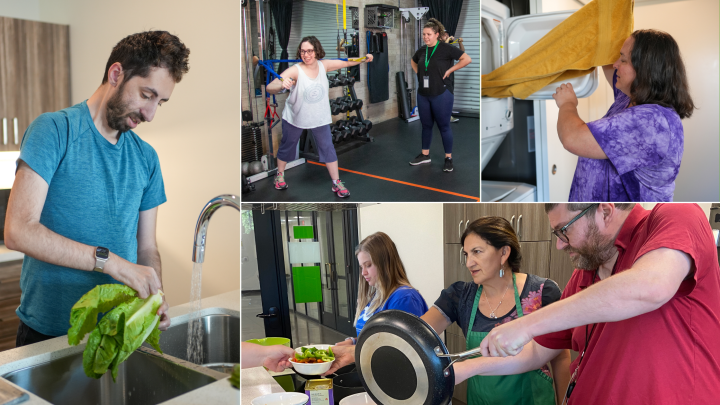
If applicable, stop doing your loved one’s dishes and laundry, two key skills needed to live independently. Supporting your family member with autism and/or neurodevelopmental disabilities in developing other essential life skills such as hygiene, cooking, cleaning and managing finances as appropriate are also important ways to help.
Advocate for needs and accommodations.
Self-advocacy is critical, but not everyone can speak for themselves. Speak up on behalf of your loved one or client.
Encouragement of self-advocacy and involvement
Empower Decision-Making
Encourage your loved one to take an active role in decision-making, ensuring their voice is heard and respected even if it means they must take a risk and potentially “fail forward.”
Promote Self-Advocacy
Teach self-advocacy skills. This includes effective identification and expression of their needs, preferences and concerns.
Involve in Planning
To the extent possible, adults with autism and/or neurodevelopmental disabilities should be part of every step of the planning process to ensure they feel ownership and control over their transition.
Fostering a supportive environment can help individuals successfully transition to their new home away from home, gaining the confidence and skills they need to thrive on their own.
There is no right or wrong path to housing. After you take the opportunity to understand the benefits and considerations of every option, you may find multiple solutions from which to choose. Early planning is essential to ensure securing a preferred housing model that aligns with an individual’s needs and preferences. By taking the time to assess various options and involving the individual in the decision-making process, you can open the door to supportive and empowering living environments.
We encourage you to explore the resources and housing programs offered by First Place–Phoenix. Years of experience and collaboration with clinically rooted organizations like Southwest Autism Research & Resource Center enables First Place to provide valuable support on the exciting, rewarding journey toward independence.